



What would you do with an extra FIVE hours a week?
Find out how you can create TIME today to improve your quality of life, focus on those things that are important to you, lower your anxiety and improve your efficiency!

I have a mildly disappointing confession about being a marketing executive:
A surprising amount of my job is incredibly boring.
Spreadsheets.
Naming conventions.
Email segmentation.
Approval systems.
Analytics.
Budgets.
Workflows.
Content calendars.
And an alarming amount of time spent figuring out which file called FINAL_FINAL_v3 is, in fact, final.
But I've started believing this is one of the biggest differences between organizations that do marketing and organizations that manage marketing as a business function.
Creativity needs infrastructure.
Otherwise your creative people spend half their time solving emergencies the organization manufactured for them.
I wrote about something I'm calling marketing debt, why my Monday-morning analytics ritual matters, and the interesting point where the CMO's responsibilities start colliding with the COO's.
Because sometimes the highest-value thing a marketing leader can do isn't create another campaign.
It's build the system that makes every campaign afterward better.
There is a big difference between tradition and “that's how we've always done it.”
I've been thinking about that a lot lately through my work with rodeos, agricultural organizations, festivals and associations.
Some things absolutely deserve protecting.
The history. The people. The community. The annual rituals. The things that make someone say, “This is ours.”
But the clunky registration system? The communication method nobody reads anymore? The process invented in 1997 because that's what the technology allowed?
Maybe not. 😉
My latest Western Insights Media article explores a framework I've started using:
Preserve the ritual. Modernize the delivery.
Because the goal isn't to make a 100-year-old organization look young.
It's to make sure it has a reason to exist for the next 100.
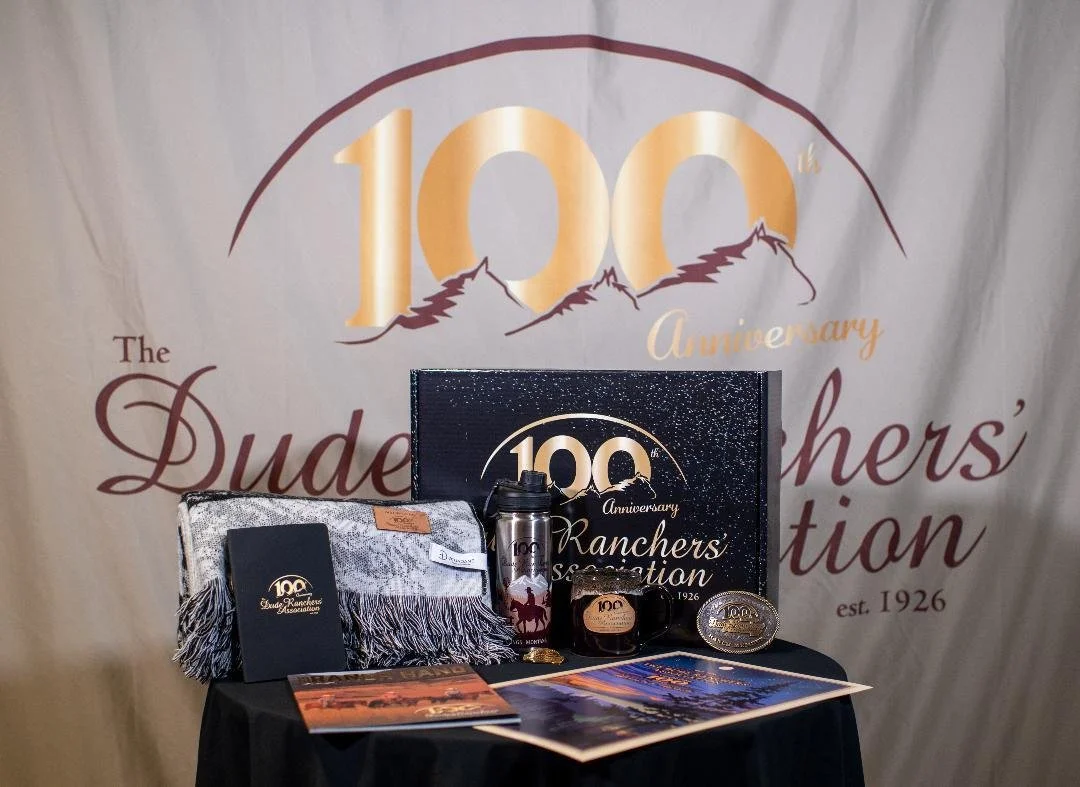
This article explores leadership, legacy, and community-building lessons drawn from the 100th anniversary convention of the Dude Ranchers Association. Milestone events like a centennial celebration are more than moments of reflection. They are opportunities to assess relevance, trust, and alignment within an organization.
Drawing on firsthand experience supporting this historic event, the piece examines what it truly takes to gather ranchers and operators who run 24/7 businesses rooted in land, livestock, hospitality, and people. Leaving a ranch to attend a convention requires meaningful programming, thoughtful curation, and a deep respect for members’ time and responsibilities.
The article also addresses one of the most complex challenges facing guest ranches and Western businesses today: succession planning. When a brand is deeply tied to its people, separating identity from operations becomes essential for long-term sustainability.
Through insights on leadership, strategy, and storytelling, this piece offers perspective for organizations navigating growth, transition, and the responsibility of carrying a legacy forward.
Companies aren’t just looking for marketers anymore — they’re looking for storytellers. As traditional media declines and audiences crave authenticity, storytelling has become a strategic business advantage, especially in Western, agricultural, and event-based industries where culture and community drive connection.
Nothing will boost your creator confidence like a Meta rep opening a call with: “So… how did you crack the code?” In this behind-the-scenes recap, I break down what Meta shared about the Edits app, trending Reels, real-time analytics, captions and “safe zones,” and why their best practice mirrors my own Instagram Trials Theory: test first, learn fast, and only then scale what works—without burning out or begging for likes.